
"Atitlan region"
300 article(s) found

Guatemala Antigua coffee producing area flavor taste estate introduction Guatemala eight coffee producing areas
San Marco Volcano San Marco has the hottest climate of Guatemala's eight coffee-producing regions, with rainfall of up to 200 inches (5, 000mm). The rainy season is earlier than in other areas, and coffee trees bloom earlier. As in other remote areas of Guatemala, volcanic San Marco coffee is grown and processed by small farmers. Due to frequent rains during the rainy season, most coffee is pre-dried in the sun and then Guar

Guatemala Blue Lake Coffee Bean hand sharing _ introduction to the Flavor characteristics of Atit Blue Lake Coffee production area
For more information on coffee beans, please follow the Coffee Workshop (Wechat official account cafe_style). Guatemala Coffee Blue Lake (Guatemala Bluelake) Culture: Atit Blue Lake (Atitlan) is a large volcanic lake formed 80, 000 years ago, surrounded by eight major coffee producing areas recognized by the Guatemalan National production Institute (ANACAFE). , too.

Raminita Group's Flower God Coffee Antigua's top boutique coffee flavor introduction
Today, most of the coffee industry's production takes place in the south of the country. Guatemala has seven main coffee producing areas: Antigua (Antigua), Cobain (Coban), Lake Attilan (Atitlan), Vevetnango (Huehuetenango), Farahan Plateau (Fraijanes), Oriente (Oliente) and San Marco (San Mareos). Each region has its own climate change.

The coffee flavor of Incht Manor in Guatemala with a slight floral scent describes the characteristics of fine coffee in the producing area.
Of the three major non-volcanic coffee-producing regions in Guatemala, the Weitango Highland has the driest climate and the highest elevation. The dry and hot wind from Mexico's Tehuantepec plateau protects the area's coffee from frost and can be grown to 2000 meters (6500 feet). Because of its remote location, all coffee farmers have to process their own coffee.

Fine Coffee learns from the characteristics of Coffee in eight producing areas of Guatemala
Guatemala is a famous producer of high-quality Arabica coffee in Central America. Coffee from five volcanic and three non-volcanic producing areas is very unique and enjoys a high reputation in the international market. Mr. EduardoAmbrocio of the Guatemalan Coffee Company introduced Guatemalan coffee to the audience at the SCAA Houston show in April 2010. 1. Alcatraguo Valley (AcatenangoValley)

Guatemala Coffee La Minita Coffee introduction
For more information on coffee beans, please follow the coffee workshop (Wechat official account cafe_style) there are seven main coffee producing areas in Guatemala: Antigua, Coban, Atitlan, Huehuetenango, Fraijanes, Oriente, and San Mareos.

Characteristics and attributes of coffee in eight producing areas of Guatemala
The Ekatlago Valley is 2000 meters (6500 feet) above sea level, with dense shade and unique ecology. The nearby Fuego volcano erupts, making its coarse, sandy soil rich in a variety of minerals. Temperate sea breezes from the Pacific and a seasonal climate allow coffee in this region to be dried by sunlight and processed according to traditional family methods that have been accumulated over the years. [characteristics]

What coffee producing areas are there in Guatemala coffee? Is the coffee good in Guatemala? Guatemala Coffee
Professional coffee knowledge exchange more information about coffee beans Please follow Coffee Workshop (Wechat official account cafe_style) Guatemala Coffee this country is small, but it has the most diverse weather in the world. There are enough changes in soil, rainfall, humidity, altitude and temperature to produce seven different types of Guatemalan Arabica coffee. Antigua is internationally renowned.
Characteristics and attributes of coffee in eight producing areas of Guatemala
The Ekatra Valley rises to 2000 meters (6500 feet), with dense shade and unique ecology, and the nearby Fuego volcano erupts, making its coarse, sandy soil rich in a variety of minerals. Temperate sea breezes from the Pacific and a seasonal climate allow coffee in this region to be dried by sunlight and processed according to traditional family methods that have been accumulated over the years. [characteristics]

Flavor description of coffee beans in eight producing areas of Guatemala
The Ekatlago Valley is 2000 meters (6500 feet) above sea level, with dense shade and unique ecology. The nearby Fuego volcano erupts, making its coarse, sandy soil rich in a variety of minerals. Temperate sea breezes from the Pacific and a seasonal climate allow coffee in this region to be dried by sunlight and processed according to traditional family methods that have been accumulated over the years. [characteristics]

Characteristics and attributes of coffee in eight producing areas of Guatemala
The Ekatlago Valley is 2000 meters (6500 feet) above sea level, with dense shade and unique ecology. The nearby Fuego volcano erupts, making its coarse, sandy soil rich in a variety of minerals. Temperate sea breezes from the Pacific and a seasonal climate allow coffee in this region to be dried by sunlight and processed according to traditional family methods that have been accumulated over the years. [characteristics]

What are the producing areas of Guatemalan coffee beans in volcanic geology
Rising to 2000 meters (6500 feet), with dense shade and unique ecology, the nearby Fuego volcano erupts, making its coarse, sandy soil rich in a variety of minerals. Temperate sea breezes from the Pacific and a seasonal climate allow coffee in this region to be dried by sunlight and processed according to traditional family methods that have been accumulated over the years. [characteristics] obvious acidity, dry
Introduction of eight different producing areas of coffee beans in Guatemala
The Ekatlago Valley is 2000 meters (6500 feet) above sea level, with dense shade and unique ecology. The nearby Fuego volcano erupts, making its coarse, sandy soil rich in a variety of minerals. Temperate sea breezes from the Pacific and a seasonal climate allow coffee in this region to be dried by sunlight and processed according to traditional family methods that have been accumulated over the years. [special]

Guatemala National Guatemala production area Guatemala time Guatemala Coffee New Oriental region
[guide] the Ekatlago Valley rises to 2000 meters (6500 feet), with dense shade and unique ecology, and the nearby Fuego volcano erupts, making its coarse, sandy soil rich in various minerals. Temperate sea breezes from the Pacific Ocean and seasonal climate have raised the Ekatangol Valley in Guatemala Guatemala to 2000 meters (6500 feet).
Characteristics and attributes of coffee from eight major producing areas of Guatemala
The Ekatlago Valley is 2000 meters (6500 feet) above sea level, with dense shade and unique ecology. The nearby Fuego volcano erupts, making its coarse, sandy soil rich in a variety of minerals. Temperate sea breezes from the Pacific and a seasonal climate allow coffee in this region to be dried by sunlight and processed according to traditional family methods that have been accumulated over the years. [characteristics]

Antigua Coffee, Guatemala (Guatemala Antigua)
Coffee was really introduced into Guatemala in 1750 by Father Jesuit, where the coffee industry was developed by German colonists at the end of the 19th century. Today, most of the coffee industry's production takes place in the south of the country. Guatemala has seven main coffee producing areas: Antigua (Antigua), Cobain (Coban), Lake Attilan (Atitlan), Vevetnango (Huehuetenango)
Common sense of Coffee characteristics of Coffee in eight producing areas of Guatemala
The Ekatra Valley rises to 2000 meters (6500 feet), with dense shade and unique ecology, and the nearby Fuego volcano erupts, making its coarse, sandy soil rich in a variety of minerals. Temperate sea breezes from the Pacific and a seasonal climate allow coffee in this region to be dried by sunlight and processed according to traditional family methods that have been accumulated over the years. [characteristics]

Varieties of coffee flavor and taste of La Tisa Manor Coffee Manor in the tiny South Fruit region of Guatemala
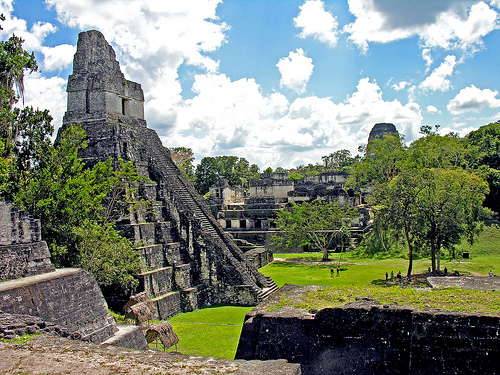
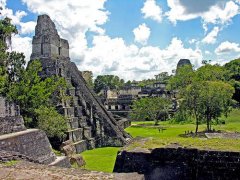
The beauty of heaven and earth is a long history. Located in the northwestern province of Peton in northern Guatemala, there is an extremely important ancient site, the urban center of the Mayan civilization, which is now planned as Tikal National Park. The site is located in a tropical jungle, when you walk through the green jungle, follow a leafy path and listen to the hissing of animals in the woods.
Characteristics and attributes of coffee from eight major producing areas in Guatemala Guatemala
The Ekatlago Valley is 2000 meters (6500 feet) above sea level, with dense shade and unique ecology. The nearby Fuego volcano erupts, making its coarse, sandy soil rich in a variety of minerals. Temperate sea breezes from the Pacific and a seasonal climate allow coffee in this region to be dried by sunlight and processed according to traditional family methods that have been accumulated over the years. [characteristics]

How about Guatemalan coffee? is the variety of Guatemalan boutique coffee based on iron pickup?
The highlands of Guatemala produce some of the best and most distinctive coffees in the world. The most outstanding of these highland coffees are produced in the mountain basins around the simple and beautiful colonial city of Antigua, Guatemala, which combines complex nuances (tobacco, spices, flowers, and occasionally chocolate) and acidity, from mild brightness to strong acidity.